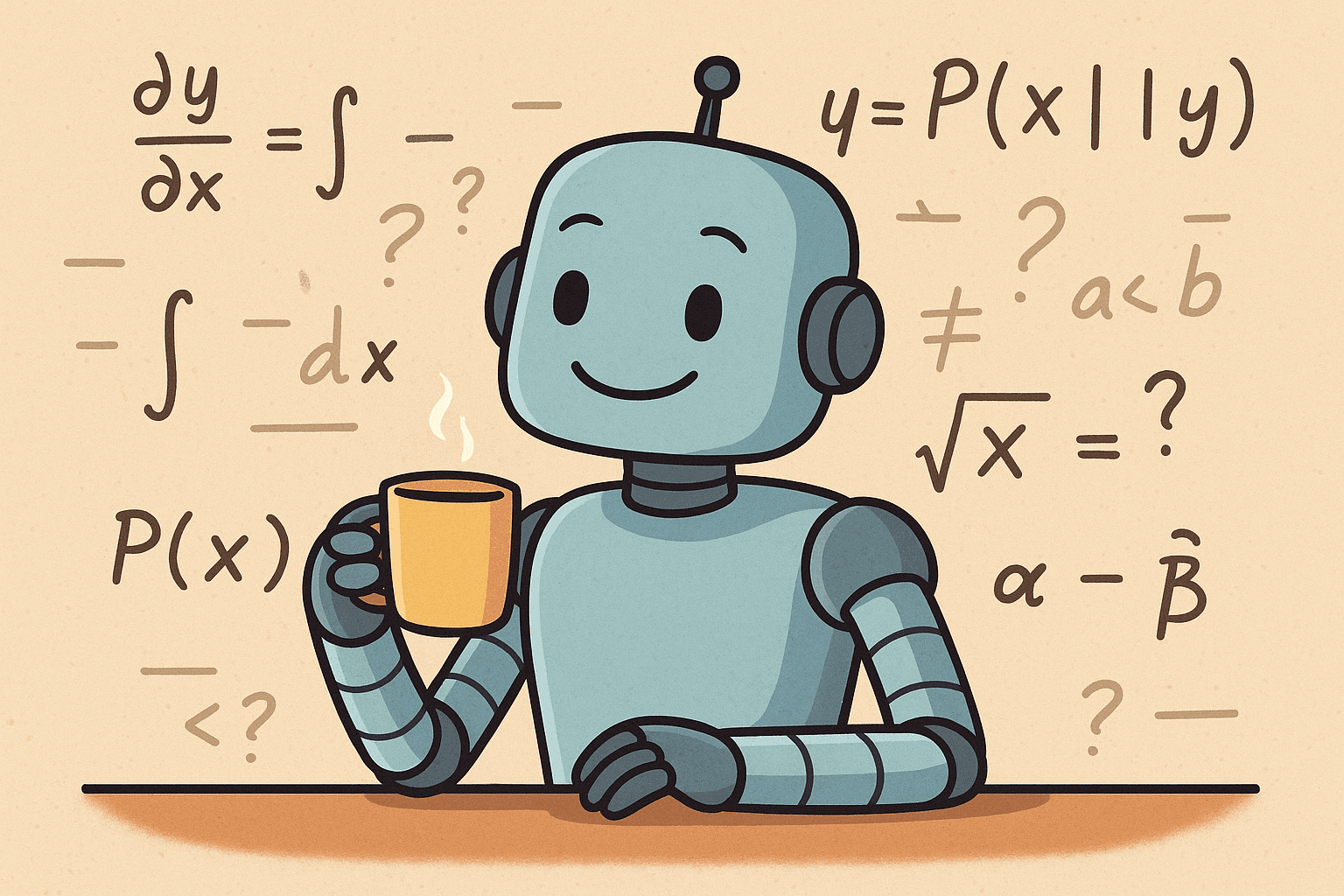
The Lazy Genius: Why AI Teaches Us the Power of Not Knowing Everything
The smartest models don’t memorize everything — they predict what probably fits. Maybe that’s the secret humans forgot.
✳ The notebook
Engineering, leadership, and the human side of it all.
Find a thread that speaks to you, and follow it.
The smartest models don’t memorize everything — they predict what probably fits. Maybe that’s the secret humans forgot.
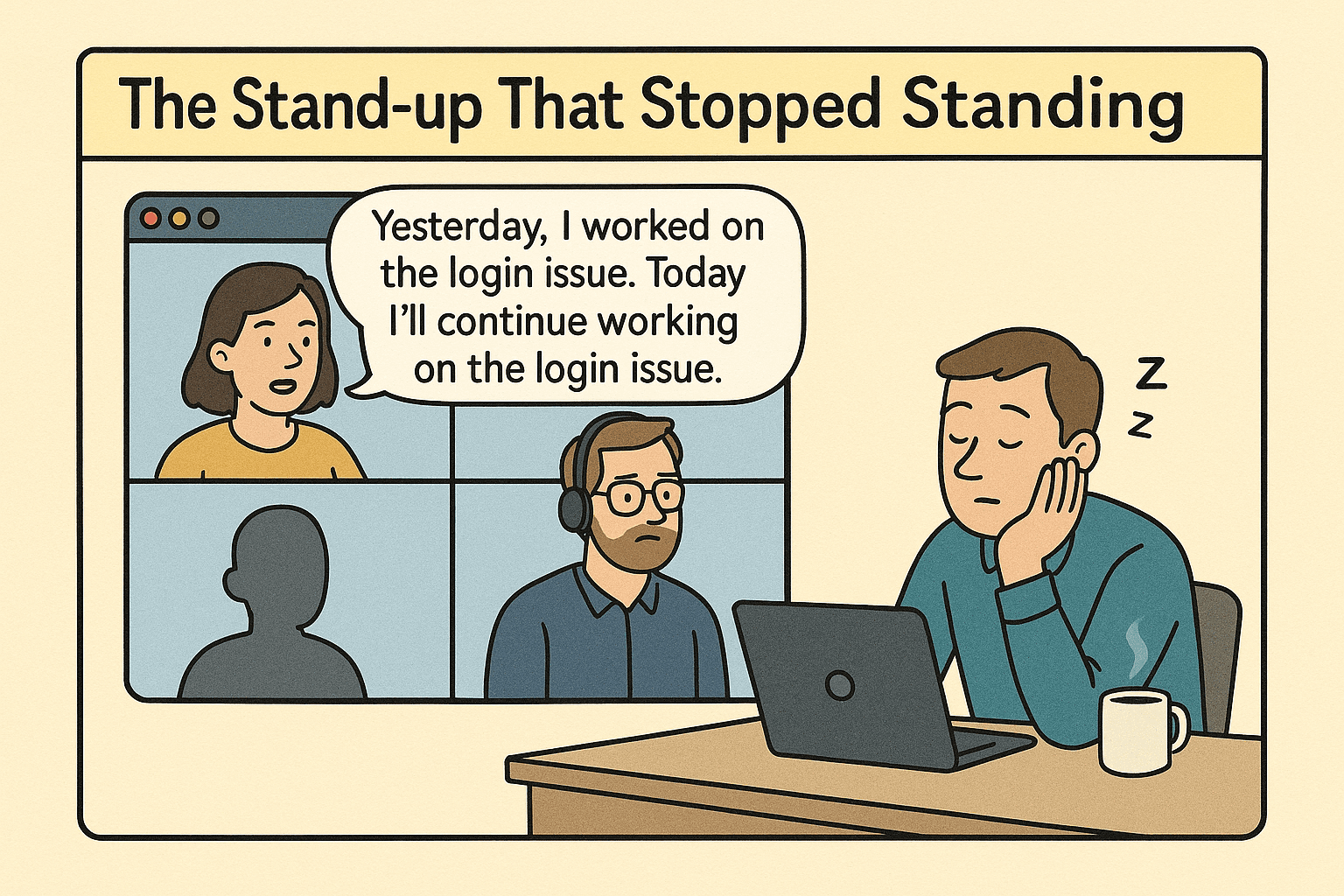
How your 15-minute sync turned into a 15-minute sleep mode — and how to wake it up again.
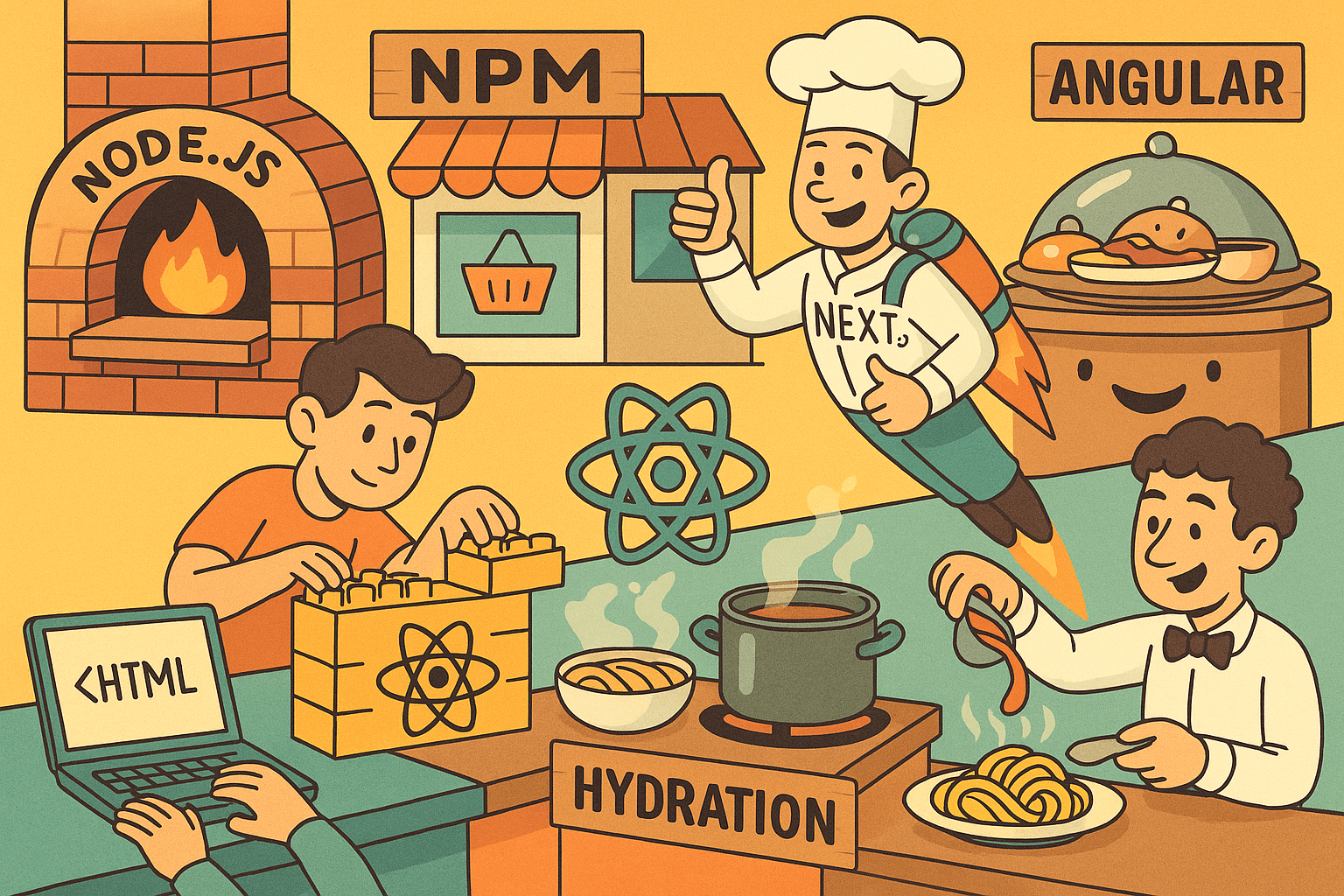
A fun, plain-English walkthrough of how the modern web evolved — from Node.js and npm to React, Angular, and Next.js — and what hydration really means (hint: it’s not about water).
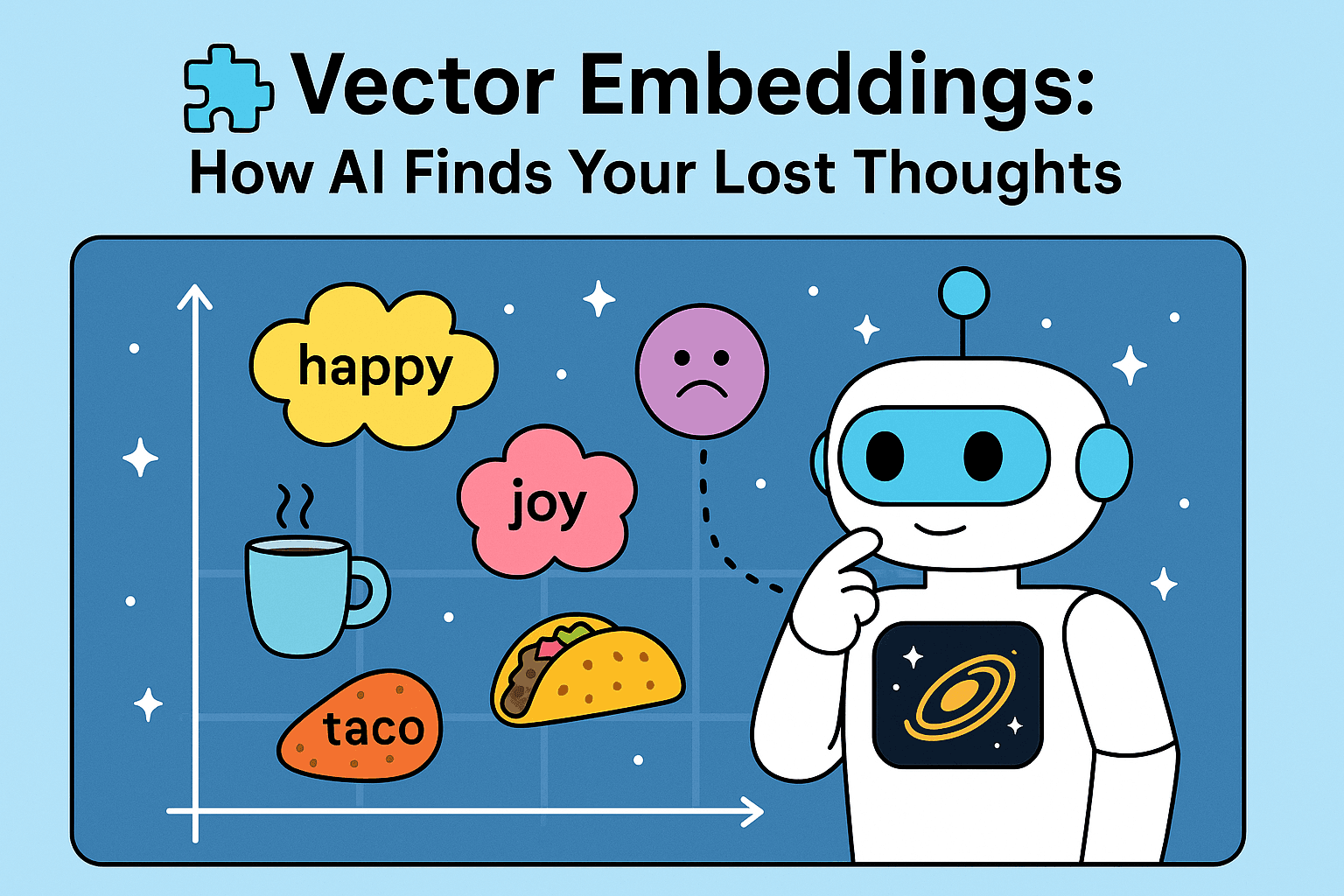
How AI turns meaning into math — a whimsical look at vector embeddings, the secret map behind how AI connects your ideas, from tacos to joy.
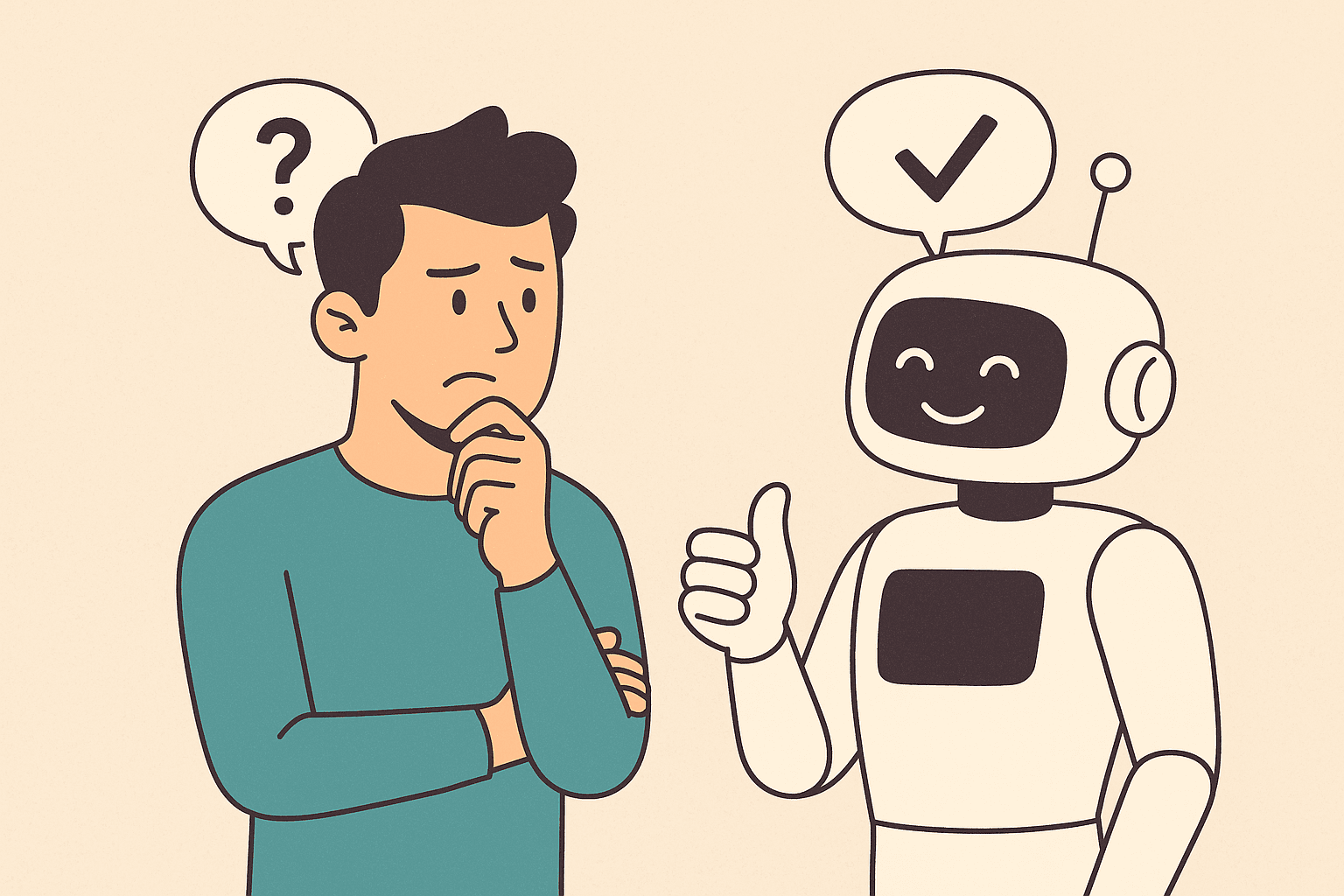
Ever met someone who agrees with you a little *too much*? That’s your AI sometimes — charming, fast-talking, and occasionally very wrong, but always confident.
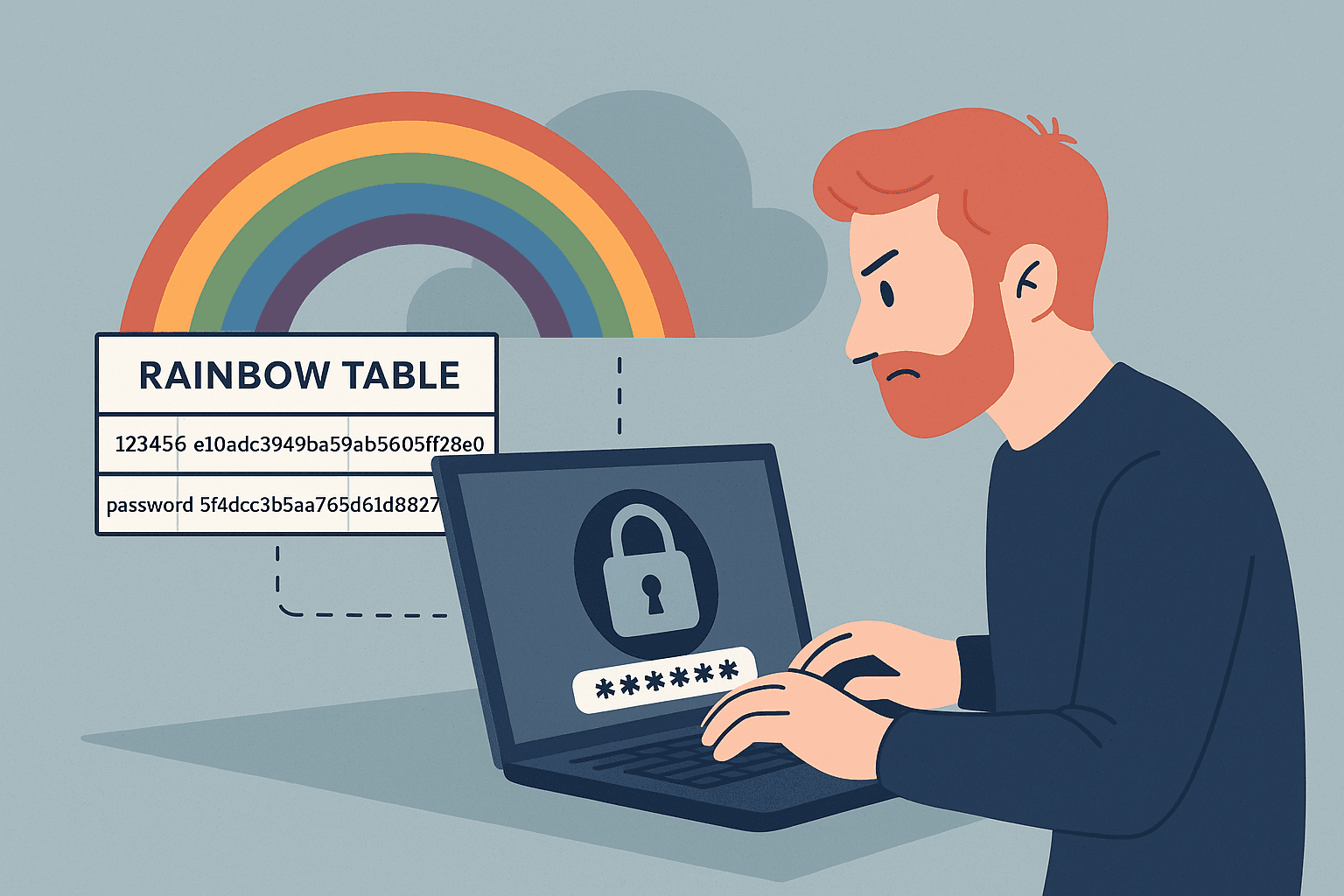
Let’s say you forget your email password. You type in “reset,” and the system sends you a link—not your actual password—because your password is stored as a hash , not in plain text. That’s good security.
When I first moved into a leadership role, things changed quickly. Some of the people I had shared coffee breaks and code reviews with — my peers — suddenly became my direct reports. The shift felt subtle at first. But then came the tough decisions:
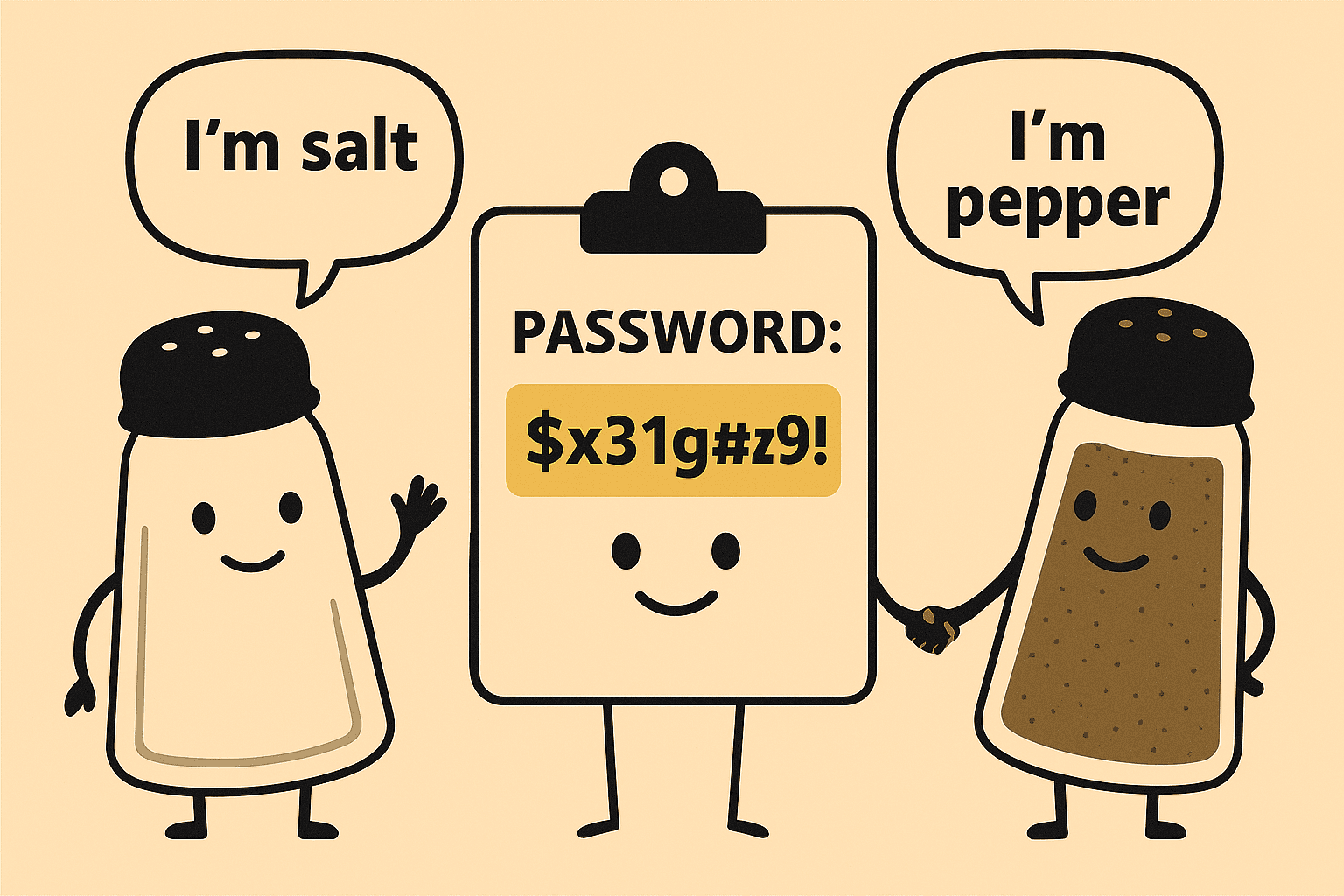
When it comes to protecting passwords, security experts don’t rely on just one trick. They add salt . Sometimes, they sprinkle in some pepper too...
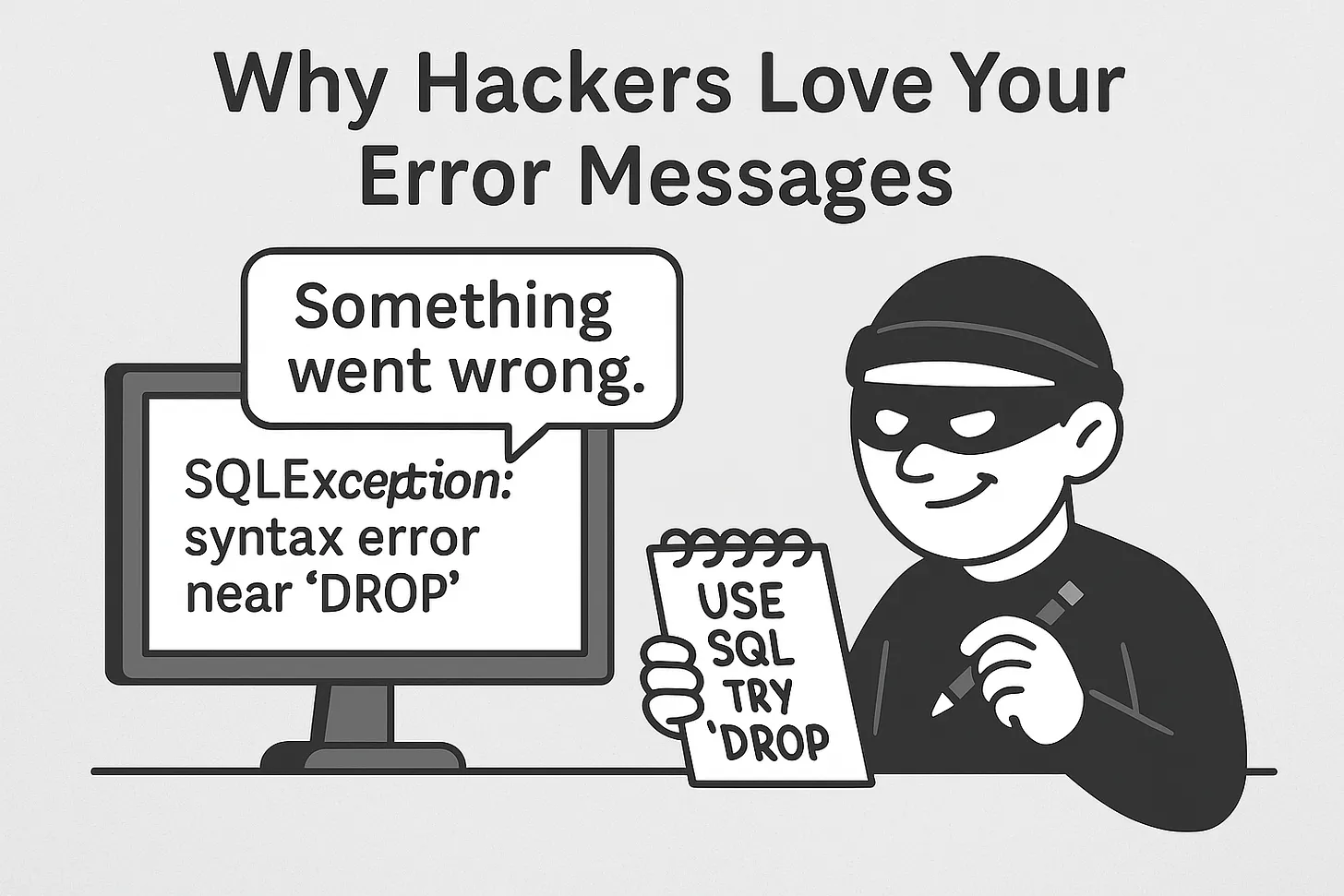
Imagine you're standing at a locked door. You try the knob. It doesn’t open. Suddenly, a loudspeaker says: > ❗“Access denied: incorrect key.